






Why Tap Water Tastes Bad in India
Posted by Swift Green Filters on

Why Tap Water Tastes Bad in India: Hidden Reasons You Should Know
Have you ever poured a glass of tap water and noticed a strange taste or smell? Many people across India complain that tap water tastes bitter, metallic, salty, or strongly chemical. Even when the water looks clear, the taste often makes it unpleasant to drink. This is a widespread issue affecting households in cities like Bangalore, Delhi, Mumbai, Chennai, Hyderabad, Pune, and many others.
Understanding why tap water tastes bad in India is the first step toward protecting your health and improving your daily water experience.
The Most Common Reason: Chlorine in Tap Water
One of the biggest reasons tap water tastes bad is chlorine. Municipal authorities add chlorine to kill bacteria and prevent waterborne diseases. While this makes water safer from germs, it also leaves behind a sharp, chemical taste and smell.
In cities with heavy chlorination such as Delhi, Gurgaon, and Mumbai, the chlorine smell becomes stronger, especially during summer months. When chlorine reacts with organic matter in water, it forms byproducts that not only affect taste but may also impact long-term health.
This chlorine taste is often described as medicinal, swimming pool–like, or bitter, making people avoid drinking enough water.
Old Pipelines and Rust Contamination
Another major reason tap water tastes unpleasant is aging water infrastructure. Many Indian cities still rely on old iron pipelines that corrode over time. As water flows through these pipes, it picks up rust and metal particles.
This results in a metallic or iron-like taste, which is very common in areas with older buildings and municipal pipelines. Rust contamination also causes water to look slightly yellow or brown at times, especially after supply interruptions.
Apart from taste issues, metal particles in water can irritate the stomach and damage household appliances.
Hard Water Minerals Affect Taste
In cities like Bangalore, Jaipur, and parts of Punjab and Rajasthan, groundwater is naturally hard. Hard water contains high levels of calcium and magnesium, which give water a chalky, bitter, or salty taste.
Hard water doesn’t just taste bad; it also leaves mineral deposits on utensils, affects tea and coffee flavor, and reduces the effectiveness of soaps and detergents. Over time, it can also impact digestion and kidney health if consumed without proper treatment.
Chemical Pollution and Industrial Residues
Rapid urbanization and industrial growth have introduced chemical pollutants into water sources. Tap water in many regions contains traces of pesticides, industrial chemicals, and volatile organic compounds (VOCs).
These contaminants can cause water to taste chemical, oily, or unusually bitter. Even in treated municipal water, small amounts of these substances may remain, especially if the treatment process is outdated or inconsistent.
Stagnant Water and Storage Issues
Water stored in overhead tanks, underground tanks, or unused pipelines for long periods can develop an unpleasant taste. Stagnant water absorbs odors from tanks, pipes, and surrounding materials, leading to a musty or earthy taste.
Improperly cleaned tanks also allow algae and bacterial buildup, which further affects taste and odor.
Health disclaimer: The content shared is for general awareness and informational purposes only and is not intended as medical advice. For personalized health guidance or concerns, please consult a qualified healthcare professional.
Why Boiling Tap Water Is Not Enough
Many households believe boiling water solves taste problems. While boiling kills bacteria, it does not remove chlorine, heavy metals, or chemical contaminants. In fact, boiling hard water can concentrate minerals, making the taste even worse.
This is why boiled water may still smell bad or leave white residue after cooling.
How a Water Filtration System Improves Taste
The most effective solution to bad-tasting tap water is a high-quality drinking water filtration system. Advanced filters remove chlorine, sediments, rust, chemicals, and unpleasant odors while improving overall water quality.
Swift Green Filters uses multi-stage filtration with advanced activated carbon and American RX technology to significantly improve taste and smell. By removing chlorine and chemical impurities, water becomes fresher, smoother, and more enjoyable to drink.
Many users report that after installing Swift’s filtration system, they start drinking more water simply because it tastes better.
Expert Insight on Tap Water Quality
Dr. Ramesh Suri, water quality expert at Swift Green Filters, explains:
"Tap water may meet safety standards, but that does not mean it is free from taste-altering contaminants. Chlorine, rust, and chemical residues are common causes of bad taste in Indian tap water. A reliable filtration system removes these impurities, making water healthier, better tasting, and safer for daily consumption."
Why Improving Water Taste Matters
Bad-tasting water leads to reduced water intake, which can cause dehydration, fatigue, headaches, and digestive problems. Children and elderly family members are especially affected when they avoid drinking water due to taste issues.
Improving the taste of tap water is not just about comfort; it directly supports hydration, immunity, and overall wellness.
Final Thoughts
If you’ve been wondering why tap water tastes bad in India, the answer lies in chlorine, aging pipelines, hard water minerals, chemical contamination, and poor storage practices. While these problems are common, they are also fixable.
Installing a reliable water filtration system like Swift Green Filters ensures that your tap water becomes clean, great-tasting, and safe for everyday use. Clean water should not just be safe to drink, it should be enjoyable too.


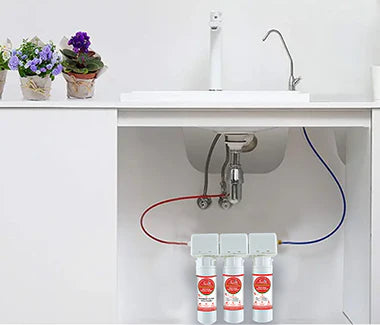

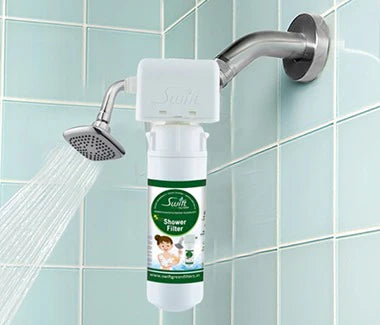
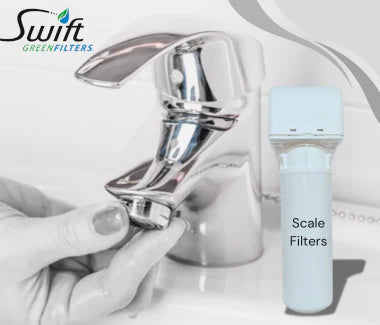


This multistage filter is an excellent alternative for water purification.
Swift Green Filters is the company's own brand that specialized in multistage filters.
In other words, it is unconnected to the other brands, yet it meets your filtering requirements.
The replacement filter comes with a warranty of 6 months, while the water system is covered by a 1-year warranty. Swift is not responsible for any damage caused due to improper installation or equipment-related errors. The maximum liability of Swift, under any circumstances, shall be limited to two times the cost of the product.

We Have
Awesome Discounts
Subscribe to our newsletter to get discounts.