






Waterborne Diseases in India: How Contaminated Water Is to Blame
Posted by Swift Green Filters on

Waterborne Diseases in India: How Contaminated Water Is to Blame
Waterborne diseases remain one of the most serious public health challenges in India. Despite advancements in healthcare and water treatment infrastructure, millions of people continue to fall ill every year due to unsafe drinking water. The link between contaminated water and the spread of disease is well established, yet it is often underestimated at the household level. Understanding how contaminated water causes illness is the first step toward protecting families from preventable health risks.
In this blog, we explore the major waterborne diseases in India, how contaminated water contributes to their spread, and why ensuring safe drinking water at home is essential for long-term health.
What Are Waterborne Diseases?
Waterborne diseases are illnesses caused by consuming or coming into contact with water contaminated with harmful microorganisms such as bacteria, viruses, and parasites. These pathogens usually enter water supplies through sewage leakage, poor sanitation, agricultural runoff, or industrial waste. In India, waterborne diseases are especially common during the monsoon season, when flooding increases the chances of contamination in drinking water pipelines.
Even water that appears clean can carry disease-causing organisms, making untreated tap water a hidden threat in many households.
Common Waterborne Diseases in India
India faces a wide range of waterborne diseases that affect people across all age groups. Diarrhoea remains one of the most common illnesses linked to contaminated water and is a leading cause of illness among children. Cholera outbreaks still occur in several regions, particularly where sanitation and clean water access are limited. Typhoid fever, caused by bacteria spread through unsafe water and food, continues to affect urban and semi-urban populations.
Hepatitis A and E are also major concerns, as they spread through contaminated drinking water and can cause serious liver infections. Parasitic infections such as giardiasis further add to the burden of disease, leading to digestive issues, weakness, and long-term nutritional problems.
How Contaminated Water Spreads Disease
The connection between contaminated water and disease lies in how pathogens enter and survive in water systems. In many Indian cities, aging pipelines run alongside sewage lines. Any damage or leakage can allow sewage to mix with drinking water. In rural areas, open defecation and improper waste disposal increase the risk of groundwater contamination.
When people consume this water without proper filtration, harmful microorganisms enter the body and multiply, leading to infection. Repeated exposure to contaminated water weakens immunity over time, making individuals more vulnerable to frequent illness.
Impact on Children and Vulnerable Populations
Children, elderly individuals, and people with weakened immune systems are the most affected by waterborne diseases. In children, repeated infections caused by contaminated water can result in dehydration, malnutrition, poor growth, and delayed development. For elderly individuals, waterborne illnesses can quickly become severe, leading to hospitalisation and complications.
In many households, recurring illness becomes a routine problem, often treated with medication while the root cause—unsafe drinking water—remains unresolved.
Why Waterborne Diseases Are Still Prevalent in India
Despite municipal water treatment, contamination often occurs during water distribution. Old infrastructure, poor maintenance, seasonal flooding, and rapid urbanisation have placed immense pressure on water supply systems. As a result, treated water can become unsafe by the time it reaches homes.
This is why relying solely on municipal tap water without additional purification poses a significant health risk. The presence of chlorine may kill some germs, but it does not eliminate all pathogens, chemicals, or heavy metals.
Expert Insight on Water Safety
Dr. Ramesh Suri, associated with Swift Green Filters, highlights the issue clearly:
“Many families suffer from repeated waterborne illnesses without realizing that their drinking water is the root cause. Municipal treatment alone cannot guarantee safety at the household level. A proper home water filtration system plays a critical role in preventing diseases and improving overall health.”
Preventing Waterborne Diseases at Home
Preventing waterborne diseases starts with ensuring access to safe drinking water. Boiling water may kill some bacteria, but it does not remove chemical contaminants or improve water taste and quality. This is where a reliable drinking water filtration system becomes essential.
Swift Green Filters offers advanced multi-stage water filtration solutions designed specifically for Indian water conditions. These systems help remove bacteria, sediments, excess chlorine, and other impurities that contribute to waterborne diseases. By using filtered water daily, families can significantly reduce their risk of illness and improve overall well-being.
The Importance of Clean Drinking Water for Long-Term Health
Clean drinking water is not just about avoiding short-term sickness. It supports better digestion, stronger immunity, improved energy levels, and healthier growth in children. When households switch to filtered water, they often notice fewer stomach infections, reduced medical expenses, and a better quality of life.
Investing in a trusted water filtration system is a preventive step that protects health and provides peace of mind.
Product Disclaimer
Product Disclaimer: Swift Green Filters are water filtration products intended solely to enhance the quality of water for everyday use. Our products are not medical devices or medical equipment and are not designed to diagnose, treat, cure, or prevent any disease, illness, or health condition.
Any statements regarding wellness or quality-of-life benefits relate only to general water filtration performance and should not be interpreted as medical claims. Individuals with specific health concerns or medical conditions should seek advice from a qualified healthcare professional.
Conclusion
Waterborne diseases in India continue to affect millions of people each year, and contaminated water remains the primary cause. From diarrhoea and typhoid to hepatitis and parasitic infections, unsafe drinking water poses a serious threat to public health. While municipal treatment is important, it is not always enough to ensure water safety at home.
Using a high-quality drinking water filtration system from Swift Green Filters helps protect families from waterborne diseases and ensures access to clean, safe water every day. When it comes to health, safe drinking water is one of the most powerful forms of prevention.


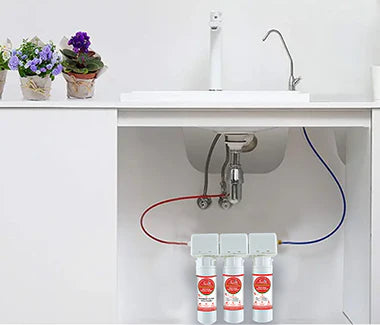

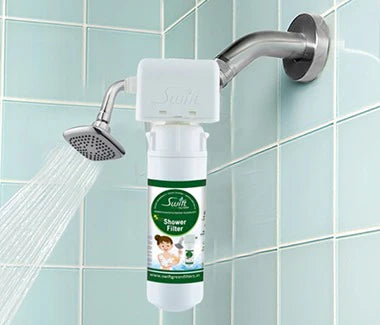
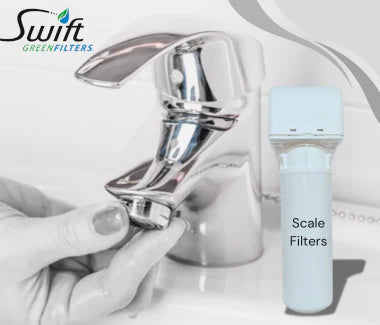


This multistage filter is an excellent alternative for water purification.
Swift Green Filters is the company's own brand that specialized in multistage filters.
In other words, it is unconnected to the other brands, yet it meets your filtering requirements.
The replacement filter comes with a warranty of 6 months, while the water system is covered by a 1-year warranty. Swift is not responsible for any damage caused due to improper installation or equipment-related errors. The maximum liability of Swift, under any circumstances, shall be limited to two times the cost of the product.

We Have
Awesome Discounts
Subscribe to our newsletter to get discounts.