






How Bacteria Cause Water Pollution: Understanding the Risk to Drinking Water in India
Posted by Swift Green Filters on

How Bacteria Cause Water Pollution: Understanding the Risk to Drinking Water in India
Water pollution is one of the most serious environmental and health challenges faced by India today, and bacterial contamination plays a major role in making water unsafe for daily use. Many people believe polluted water must look dirty or smell bad, but in reality, bacterial contamination is often invisible. This makes it even more dangerous. Understanding how bacteria cause water pollution is essential for protecting your family from waterborne diseases and long-term health risks.
In this blog, we explain how bacteria enter water sources, how they pollute drinking water, their impact on human health, and what households can do to stay safe.
What Is Bacterial Water Pollution?
Bacterial water pollution occurs when harmful bacteria contaminate water sources such as rivers, lakes, groundwater, and municipal water supplies. These bacteria usually originate from human waste, animal excreta, sewage, and decomposing organic matter. Once they enter water systems, they can survive and multiply, turning otherwise clean water into a carrier of disease.
Common bacteria found in polluted water include E. coli, Salmonella, Vibrio cholerae, and Shigella. These microorganisms are responsible for many waterborne diseases reported across India every year.
How Bacteria Cause Water Pollution
To understand how bacteria cause water pollution, it is important to look at the pathways through which they enter water sources. One of the most common causes is sewage contamination. In many Indian cities, drinking water pipelines run close to sewage lines. Cracks, leaks, or low water pressure allow bacteria-rich sewage to seep into drinking water supplies.
Agricultural runoff is another major contributor. Rainwater washes animal waste and organic matter from farms into nearby water bodies, introducing bacteria into surface and groundwater. During the monsoon season, flooding spreads contaminants even further, increasing the risk of bacterial pollution.
Improper waste disposal and poor sanitation also play a significant role. In areas with inadequate sanitation facilities, bacteria easily reach water sources, making them unsafe for consumption.
How Bacteria Multiply in Drinking Water Systems
Bacteria thrive in warm and nutrient-rich environments. Stagnant water, organic debris, and poorly maintained storage tanks create ideal conditions for bacterial growth. Even treated water can become contaminated during distribution due to aging pipelines and lack of regular maintenance.
This is why water that leaves treatment plants clean may still reach homes contaminated. Understanding this process helps explain why relying only on municipal treatment is not enough to ensure drinking water safety.
Health Effects of Bacterial Water Pollution
The health effects of bacterial water pollution can range from mild to severe. Drinking water contaminated with bacteria can cause diarrhoea, vomiting, stomach cramps, fever, typhoid, cholera, and hepatitis. Repeated exposure weakens the immune system and increases the risk of recurring infections.
Children and elderly individuals are especially vulnerable. In children, frequent infections caused by contaminated water can lead to dehydration, malnutrition, and delayed growth. For adults, long-term exposure may result in chronic digestive problems and reduced immunity.
These outcomes clearly show why learning how bacteria cause water pollution is critical for prevention.
Why Bacterial Contamination Is a Common Issue in India
Despite municipal treatment, bacterial contamination remains common due to old infrastructure, inconsistent water supply, and rapid urbanization. Water pipelines often run for decades without proper replacement, increasing the risk of leaks and contamination.
Even chlorine treatment has limitations. While it helps reduce bacteria, it does not always eliminate all pathogens and may affect water taste and quality. This makes household-level filtration an essential additional safety measure.
Our Expert’s Words
Dr. Ramesh Suri, associated with Swift Green Filters, shares his insight:
“Many people assume that clear water is safe water, but bacterial contamination is often invisible. I have seen numerous cases where families suffered repeated illnesses simply because bacteria were present in their drinking water. Understanding how bacteria cause water pollution helps people realise why a reliable home water filtration system is necessary for everyday health protection.”
How to Reduce the Risk of Bacterial Water Pollution at Home
While large-scale water treatment is important, households must take responsibility for their drinking water safety. Boiling water may kill some bacteria, but it does not remove chemical impurities or improve overall water quality. This is why using a proper drinking water filtration system for home is one of the most effective solutions.
Swift Green Filters offers advanced water filtration systems designed for Indian water conditions. Their multi-stage filtration technology helps remove bacteria, sediments, and other impurities before water is consumed, providing safer and better-tasting drinking water for families.
You can also explore related information on waterborne diseases in India and effects of drinking contaminated water to better understand the risks associated with unsafe drinking water.
Health Disclaimer
Health disclaimer: The content shared is for general awareness and informational purposes only and is not intended as medical advice. For personalized health guidance or concerns, please consult a qualified healthcare professional.
Conclusion
Understanding how bacteria cause water pollution reveals why drinking water safety cannot be taken lightly. From sewage leaks and agricultural runoff to aging pipelines and poor sanitation, bacteria enter water systems through multiple sources and pose serious health risks.
Ensuring access to safe drinking water through effective filtration is one of the most reliable ways to protect your family. With the right water filtration system, households can reduce exposure to bacterial contamination and support long-term health. Clean water is not just a basic need—it is a foundation for a healthier life.


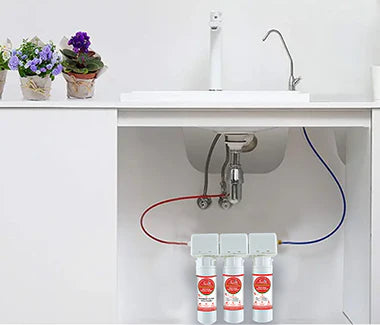

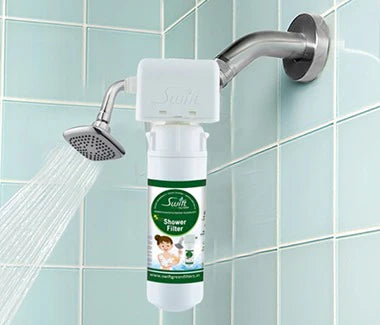
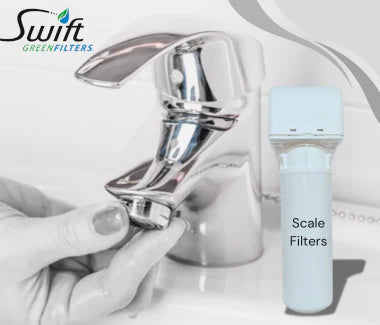


This multistage filter is an excellent alternative for water purification.
Swift Green Filters is the company's own brand that specialized in multistage filters.
In other words, it is unconnected to the other brands, yet it meets your filtering requirements.
The replacement filter comes with a warranty of 6 months, while the water system is covered by a 1-year warranty. Swift is not responsible for any damage caused due to improper installation or equipment-related errors. The maximum liability of Swift, under any circumstances, shall be limited to two times the cost of the product.

We Have
Awesome Discounts
Subscribe to our newsletter to get discounts.