






Can Water Filters Remove Microplastics from Drinking Water?
Posted by Swift Green Filters on

Can Water Filters Remove Microplastics from Drinking Water?
Have you ever wondered if the water you drink is truly clean? Recent studies reveal a growing concern — microplastics in drinking water. These tiny, invisible particles are found everywhere, from oceans and soil to the very tap water we consume daily. But here’s the question that matters most: Can water filters really remove microplastics from drinking water?
Let’s dive deep into what microplastics are, why they’re harmful, and how Swift Green Filters offer a sustainable, effective solution for pure, plastic-free water.
What Are Microplastics and How Do They Get in Your Water?
Microplastics are tiny plastic fragments smaller than 5 millimeters. They come from various sources — broken-down bottles, clothing fibers, cosmetics, and even plastic pipelines. When these plastics degrade, they enter rivers, lakes, and groundwater systems — eventually making their way into your tap water.
A study by Orb Media found microplastics in 83% of global tap water samples, and Indian cities are no exception. This means that every sip might contain tiny traces of plastic — unseen but harmful.
Why Microplastics Are a Serious Health Concern
Although research on long-term effects is ongoing, early findings suggest microplastics can:
-
Carry toxic chemicals and heavy metals
-
Disrupt hormonal balance and metabolism
-
Trigger inflammation and oxidative stress
-
Accumulate in vital organs
The World Health Organization (WHO) warns that continued exposure can pose health risks, especially for children and pregnant women. That’s why removing microplastics from your water isn’t just a preference — it’s a necessity.
Can Water Filters Remove Microplastics?
The good news is — yes, advanced water filters can remove microplastics. However, not all filters are created equal.
Basic filters or outdated carbon systems may reduce visible impurities, but they often fail to capture microplastics at a microscopic level. To effectively remove them, your filtration system needs high-efficiency adsorption and fine-pore filtration — exactly what Swift Green Filters deliver.
How Swift Green Filters Remove Microplastics
At Swift Green Filters, we use Activated Coconut Carbon + RX Technology, designed to remove not only chlorine and chemicals but also fine microplastic particles that many ordinary filters miss.
Here’s how it works:
-
Activated Coconut Carbon Filtration – Derived from natural coconut shells, this eco-friendly carbon captures organic compounds, VOCs, and microplastics efficiently.
-
RX Technology Enhancement – The proprietary RX media enhances adsorption, trapping microscopic contaminants while preserving essential minerals.
-
IAPMO Certified to Meet NSF/ANSI Standards – Every Swift Green Filter is independently certified for performance and safety, ensuring pure, healthy drinking water.
This advanced dual-layer system ensures your water is free from plastics, odors, and harmful chemicals — while being environmentally responsible.
Why Swift Green Filters Are the Smarter Choice
While many brands talk about purity, Swift Green Filters actually deliver it. Here’s what sets us apart:
-
Eco-Friendly Manufacturing: Our filters are made from renewable coconut shells, not coal-based carbon, reducing carbon footprint.
-
Plastic-Free Filtration: Our technology focuses on eliminating plastics — not adding to them.
-
Certified Quality: Each filter meets NSF/ANSI standards, verified by IAPMO.
-
Sustainable Packaging: 100% recyclable and biodegradable materials.
-
Longer Filter Life: Designed for durability and superior performance.
With Swift Green Filters, you’re not just filtering water — you’re taking a stand for a cleaner, greener planet.
Real-World Impact: Microplastics in Indian Tap Water
India’s fast-paced urbanization and plastic dependency have worsened microplastic pollution. From bottled water to borewell systems, traces of synthetic particles are increasingly found in household supplies.
Cities like Delhi, Mumbai, Bengaluru, and Chandigarh have reported rising levels of microplastic contamination due to aging pipelines, industrial discharge, and poor waste management.
That’s where Swift Green Filters’ eco-friendly solutions step in — giving families a safer and more sustainable way to protect their health.
How Often Should You Replace Your Filter?
Even the best filters need regular replacement to maintain performance. As a rule of thumb:
-
Shower Filters: Every 6 months
-
Drinking Water Filters: Every 6–9 months
-
Whole House Systems: Once a year
This ensures your filtration system keeps removing microplastics, chlorine, and other contaminants effectively.
You can read more in our detailed guide:
How Often to Change Your Shower Filter
Related Blogs You Might Like
-
PFOS Removal Filters: Swift Green’s Advanced Solution for Pure Tap Water
-
Recyclable Water Filters: The Future of Sustainable Filtration
Expert Thoughts by Dr. Ramesh Suri
“Microplastics are the invisible enemy of modern water systems. The use of eco-friendly filtration technologies, such as those developed by Swift Green Filters, is the need of the hour. Our advanced coconut carbon and RX Technology ensure that families can drink and live healthier every day.” — Dr. Ramesh Suri, Water Quality Specialist
Final Words
Microplastics are a growing concern that won’t disappear on their own. The best way to protect yourself and your loved ones is by choosing a trusted, eco-conscious water filtration brand.
With Swift Green Filters, you get more than clean water — you get peace of mind, sustainability, and certified purity. Because the future of safe drinking water depends on the choices we make today.

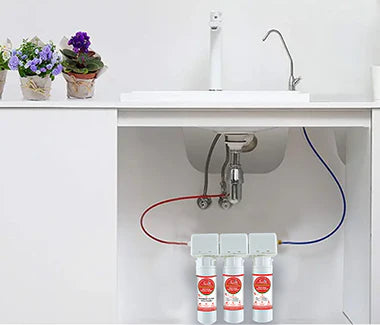

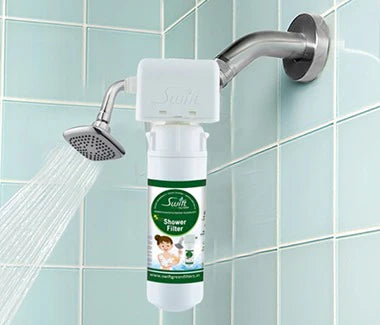
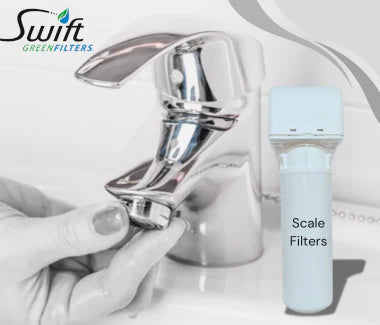


This multistage filter is an excellent alternative for water purification.
Swift Green Filters is the company's own brand that specialized in multistage filters.
In other words, it is unconnected to the other brands, yet it meets your filtering requirements.
The replacement filter comes with a warranty of 6 months, while the water system is covered by a 1-year warranty. Swift is not responsible for any damage caused due to improper installation or equipment-related errors. The maximum liability of Swift, under any circumstances, shall be limited to two times the cost of the product.

We Have
Awesome Discounts
Subscribe to our newsletter to get discounts.