






Bacteria in Drinking Water: Causes, Health Risks, and How to Remove It
Posted by Swift Green Filters on

Bacteria in Drinking Water: Causes, Health Risks, and How to Remove It
Clean drinking water is essential for good health, yet many households may unknowingly consume water contaminated with harmful microorganisms. One of the most common concerns is bacteria in drinking water, which can affect both water safety and overall well-being.
Bacteria are microscopic organisms that can enter water through various sources, including contaminated pipelines, storage tanks, and natural water bodies. While not all bacteria are harmful, certain types can lead to serious health issues if consumed regularly.
Understanding the causes, risks, and solutions for bacterial contamination can help you ensure your family has access to safe and clean drinking water.
What Is Bacteria in Drinking Water?
Bacteria in drinking water refers to the presence of microscopic living organisms that are not visible to the naked eye. These bacteria can originate from human or animal waste, soil, or decaying organic matter.
Some bacteria are harmless, but others—known as pathogenic bacteria—can cause diseases. Common harmful bacteria found in contaminated water include E. coli, Salmonella, and Campylobacter.
Their presence usually indicates that the water may be contaminated with other harmful substances as well.
How Does Bacteria Enter Drinking Water?
Bacterial contamination can occur at multiple stages, from the source to your tap.
One of the most common causes is leakage or damage in water pipelines, which allows contaminants from the surrounding environment to enter the water supply. Poorly maintained overhead tanks or underground storage tanks can also become breeding grounds for bacteria, especially if they are not cleaned regularly.
In rural and semi-urban areas, groundwater contamination due to sewage mixing or agricultural runoff can introduce bacteria into drinking water sources. Even treated municipal water can become contaminated if it passes through old or corroded plumbing systems.
Health Risks of Bacteria in Drinking Water
Consuming water contaminated with harmful bacteria can lead to a range of health problems. These may include stomach infections, diarrhea, vomiting, and other gastrointestinal issues.
In some cases, bacterial contamination can cause more serious illnesses such as typhoid, cholera, and dysentery. Children, elderly individuals, and people with weaker immune systems are particularly vulnerable to these infections.
Even mild bacterial contamination can affect daily health and hydration, making it important to address the issue promptly.
Signs of Bacterial Contamination in Water
Detecting bacteria in drinking water can be difficult because microorganisms are not visible to the naked eye. However, certain noticeable changes in water quality can indicate possible contamination. One of the most common signs is an unusual odor. Water may smell like rotten eggs, sulfur, sewage, or have a musty, swampy, or earthy odor, which often suggests bacterial activity.
Changes in taste can also be a warning sign. Contaminated water may develop a metallic, soapy, or slightly salty taste, making it unpleasant to drink. In some cases, the appearance of water may also change. You might notice cloudy or murky water, or even slimy residue forming around taps, storage containers, or pipes, which can indicate bacterial growth.
Health symptoms are another important indicator. If multiple members of a household experience sudden gastrointestinal issues such as diarrhea, nausea, vomiting, stomach cramps, or mild fever, contaminated drinking water could be a possible cause. Additionally, certain system-related issues like a sudden drop in water pressure, a recently flooded water source, or nearby construction or agricultural runoff may increase the risk of bacterial contamination.
Recognizing these signs early can help you take timely action to ensure your drinking water remains safe and clean.
How to Remove Bacteria from Drinking Water
There are several methods to reduce bacterial contamination in water, including boiling, chemical treatment, and filtration. While boiling water can kill bacteria temporarily, it is not a practical long-term solution for everyday use.
The most effective and convenient approach is to use a reliable drinking water filtration system designed to reduce microbial contaminants along with other impurities.
Modern filtration technologies combine multiple stages to ensure better water safety without compromising convenience.
Swift Green Filters: Advanced Protection Against Bacteria
For households looking for a reliable and sustainable solution, Swift Green Filters drinking water systems provide advanced filtration designed for modern water challenges.
Swift systems use multilayer carbon block compression technology, which helps reduce a wide range of contaminants, including bacteria, cysts, chlorine, heavy metals, and pharmaceutical residues.
These systems are IAPMO Certified to meet NSF/ANSI 42, 53, and 401 standards, ensuring reduction of 85+ contaminants that may be present in drinking water.
Unlike traditional purification systems, Swift Green Filters operate with zero water wastage, meaning no water is rejected during filtration. They also work without electricity, making them reliable during power cuts and ideal for everyday use.
Flexible Options for Every Home
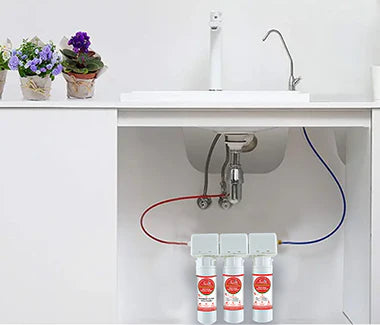
Swift Green Filters drinking water systems are available in three configurations to suit different household needs.
The Single Candle System is suitable for individuals or small families with moderate water consumption. The Double Candle System provides higher output for medium-sized households, while the Triple Candle System is ideal for larger families requiring faster filtration and higher capacity.
All three systems use the same advanced filtration technology, ensuring consistent performance and safe drinking water.
Expert Insight
Dr. Ramesh Suri, water quality expert associated with Swift Green Filters, highlights the importance of proper filtration:
“Bacterial contamination in drinking water is a serious concern, especially when it is not visible. Many households rely on water that appears clean but may still contain harmful microorganisms. A well-designed multilayer filtration system can significantly reduce microbial contaminants and improve overall water safety.”
Why Water Filtration Is Essential
Given the risks associated with bacterial contamination, relying solely on visual clarity or taste is not enough to ensure water safety. A proper filtration system acts as a protective barrier, helping reduce harmful contaminants and improving overall water quality.
By investing in a reliable drinking water system, households can reduce the risk of waterborne illnesses and ensure safer hydration for their families.
Health Disclaimer
The content shared is for general awareness and informational purposes only and is not intended as medical advice. For personalized health guidance or concerns, please consult a qualified healthcare professional.
Conclusion
Bacteria in drinking water is a common but often overlooked problem that can have serious health consequences if not addressed. Contamination can occur at various stages, from water sources to household storage systems.
Using an effective filtration solution like Swift Green Filters drinking water systems helps reduce bacterial contamination while also improving taste, odor, and overall water quality. With advanced multilayer filtration, zero water wastage, and electricity-free operation, Swift provides a practical and sustainable solution for modern homes.
Ensuring clean drinking water is one of the most important steps you can take for your family’s health.





This multistage filter is an excellent alternative for water purification.
Swift Green Filters is the company's own brand that specialized in multistage filters.
In other words, it is unconnected to the other brands, yet it meets your filtering requirements.
The replacement filter comes with a warranty of 6 months, while the water system is covered by a 1-year warranty. Swift is not responsible for any damage caused due to improper installation or equipment-related errors. The maximum liability of Swift, under any circumstances, shall be limited to two times the cost of the product.

We Have
Awesome Discounts
Subscribe to our newsletter to get discounts.